Australia’s climate is as diverse as its landscapes, with scorching summers, heavy rainfalls, and even the occasional storm or frost. If you own a sheds, ensuring it is properly weatherproofed is crucial to protecting its structure and the valuable items stored inside.
At Garden Master, we understand the challenges of Adelaide’s climate and the importance of a durable, well-sealed shed. In this guide, we’ll share practical strategies to weatherproof your shed so it remains sturdy and secure all year round.
1. Choose High-Quality, Weather-Resistant Materials
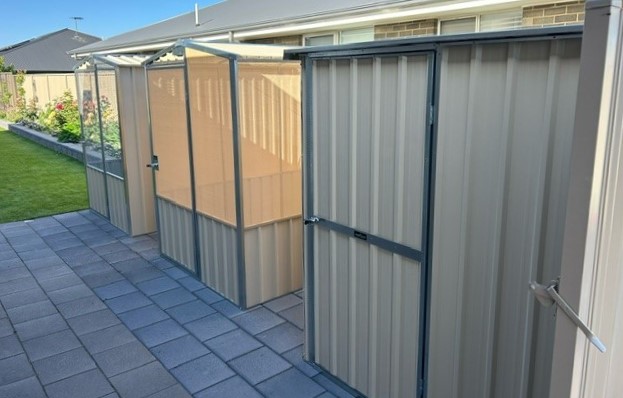
The first step in weatherproofing your shed is selecting materials that can withstand the elements. A shed built with high-grade Australian steel is far more resistant to rust, warping, and damage compared to cheaper alternatives.
At Garden Master, our sheds are constructed using premium steel panels that offer excellent durability, ensuring they stand strong against Adelaide’s unpredictable weather.
If you’re considering a new shed, investing in a custom-designed structure will save you from costly repairs in the future.
2. Strengthen the Roof for Maximum Protection
A shed’s roof is its first line of defence against harsh weather. To prevent leaks and structural damage:
- Use quality roofing materials – Steel roofing with protective coatings will resist corrosion and UV exposure.
- Ensure proper roof pitch – A slightly sloped roof helps water run off, preventing pooling that can lead to leaks.
- Install roof flashing – Flashing seals gaps and prevents rain from seeping into joints and seams.
If your shed is located in an area prone to high winds, consider reinforced roofing panels and extra bracing to prevent damage during storms.
3. Seal Gaps and Prevent Water Leaks
Even the smallest gaps in your shed’s walls or roof can allow rain, dust, and pests inside. To keep your shed watertight:
- Apply weatherproof sealant around doors, windows, and any seams.
- Use rubber door seals to prevent wind-driven rain from entering.
- Check for gaps around the base and fill them with waterproof caulking or expanding foam.
Regularly inspect your shed for any signs of wear and tear, and reseal areas that may have weakened over time.
4. Improve Ventilation to Combat Condensation
Condensation can be just as damaging as rain, leading to rust, mould, and timber rot inside your shed. To reduce moisture buildup:
- Install whirlybirds or roof vents to promote airflow.
- Use louvred windows that allow air in while keeping rain out.
- Raise your shed off the ground to prevent dampness from seeping up.
Proper ventilation is especially important if you store tools, machinery, or wooden materials, as these are highly susceptible to moisture damage.
5. Elevate the Shed and Improve Drainage
Heavy rain can quickly lead to water pooling around the base of your shed, increasing the risk of rust and structural weakening. To prevent this:
- Build your shed on a raised concrete slab – This keeps the structure off the ground and prevents flooding.
- Ensure the site is level and slightly sloped to allow rainwater to drain away.
- Use gravel or drainage channels around the base to divert excess water.
A solid foundation not only enhances weather resistance but also extends the lifespan of your shed.
6. Protect Against UV Damage and Heat
Australian summers can bring extreme heat, which can cause metal to expand, paint to fade, and stored items to overheat. Combat this with:
- Reflective roof coatings that deflect heat.
- Light-coloured paint to reduce heat absorption.
- Insulation panels for better temperature regulation inside the shed.
If your shed doubles as a workspace or storage for temperature-sensitive items, insulation is a must-have feature.
7. Secure Doors and Windows Against Strong Winds
Strong gusts and storms can rattle or even rip off sheds doors if they’re not properly secured. To reinforce entry points:
- Install heavy-duty hinges and wind-resistant locks.
- Use sliding or roller doors instead of hinged doors, as they are less prone to being caught by strong winds.
- Fit storm-resistant shutters on windows for added security.
These measures will keep your shed stable and intact even during rough weather conditions.
8. Regular Maintenance for Long-Term Protection
Even the best-built sheds require occasional maintenance. Keep your shed in top shape by:
- Checking for rust and repainting any exposed metal.
- Clearing gutters and roof debris to prevent water buildup.
- Tightening bolts and reinforcing any loose panels.
A few simple upkeep tasks throughout the year can significantly extend the lifespan of your shed.
Weatherproofing your shed is essential for protecting your tools, equipment, and valuables from Australia’s extreme climate. From choosing high-quality materials to improving drainage, ventilation, and security, these strategies will ensure your shed stands the test of time.
At Garden Master, we build durable, customisable sheds that are designed to withstand Adelaide’s toughest weather conditions. Whether you need a weather-resistant storage shed, workshop, or garden retreat, we have the perfect solution for you.
Contact Us Today

Visit us at 7 Lindfield Ave, Edwardstown, check out our range here, or call us on (08) 8297 3666 to find the ideal shed for your needs today!