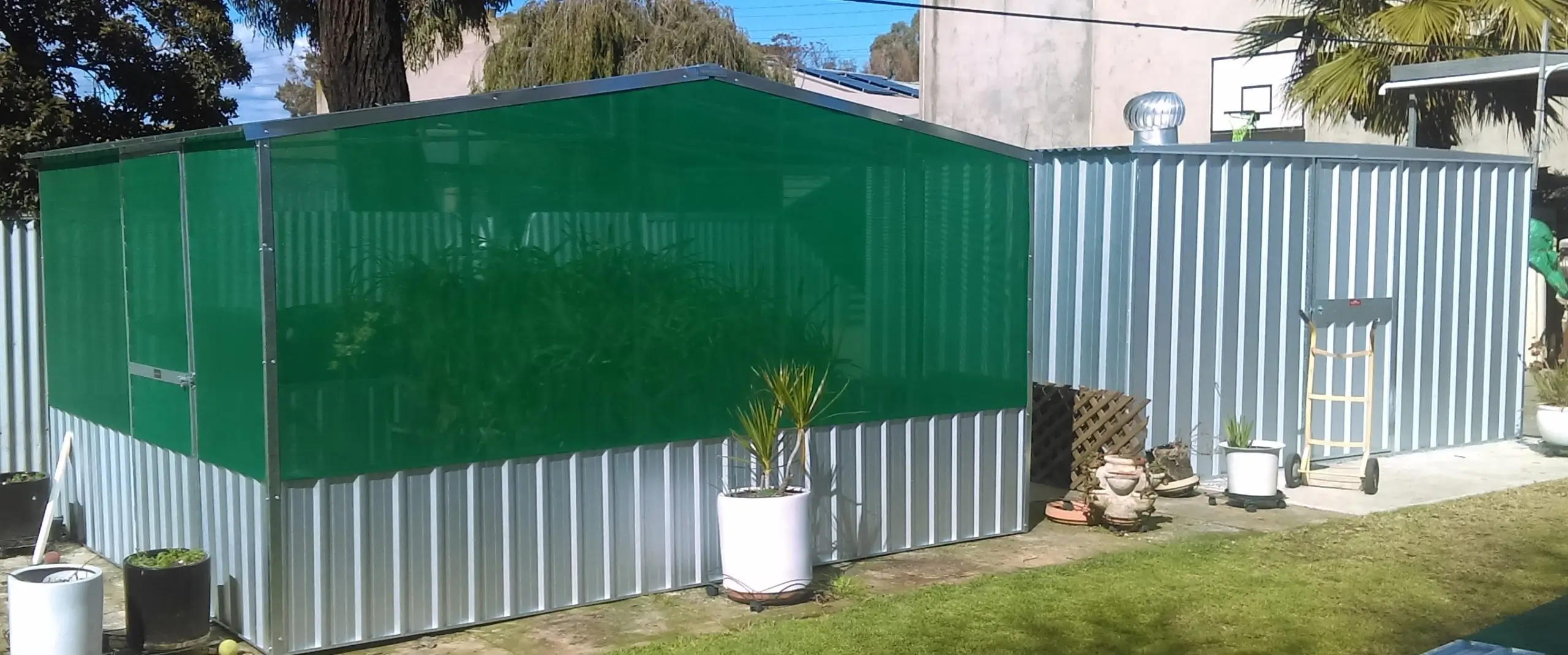
If you’ve ever watched a tray of seedlings stall for weeks, or seen leafy greens bolt the moment the weather swings, you already know the truth of gardening in Australia: your climate decides what’s easy and what’s a constant fight. The good news is you don’t have to “work harder” to win. In many cases, the biggest upgrade you can make is adding a simple structure that gives your plants a more stable
environment.
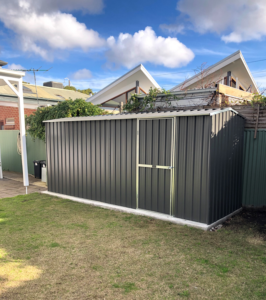
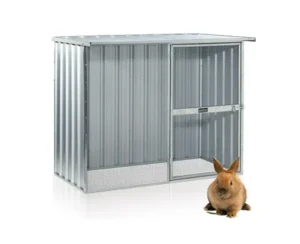
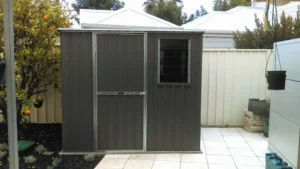
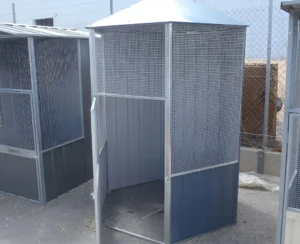
Two of the most common options are shade houses and hot houses (greenhouse- style growing spaces). They sound similar, but they solve different problems. This guide will help you decide which one is right for your yard, your plants, and the way you like to grow.
What a shade house actually does
A shade house is designed to reduce heat stress and harsh exposure, especially in yards that cop strong afternoon sun, hot winds, or dry conditions that strip moisture quickly from soil and pots. If you’re growing in a spot where plants wilt by midday, leaves scorch, or pots dry out far faster than you can keep up with, a shade house can be a game changer because it creates a gentler, more predictable microclimate.
A shade house is particularly useful for:
- Seedling raising and propagation, where consistent conditions improve success rates
- Leafy greens and herbs that don’t love extreme heat
- Ornamentals and “sensitive” plants that burn or dry out easily
- Gardeners who want a dedicated working area for potting and storing plant gear without everything baking in the sun
The big benefit isn’t only shade it’s less volatility. Plants can tolerate warm weather.
What they hate is being pushed to extremes repeatedly.
What a hot house is best at (and why it’s not just for “cold climates”)
A hot house is essentially a protected growing space that holds warmth more consistently and reduces the impact of overnight temperature drops. While it’s an obvious win for colder regions and frost-prone areas, it also helps in plenty of “mild” climates, because even small nighttime drops can slow growth dramatically for warm-season plants.
If you’ve had:
- tomatoes that look fine during the day but never take off,
- basil that sulks the moment nights cool down,
- seedlings that sit there “alive but not growing,”
…a hot house can be the difference between a short season and a long one.
A hot house is a strong option for:
- Extending your season (starting earlier and finishing later)
- Protecting from cold snaps and wind chill
- Creating a more consistent environment for plants that demand warmth
- Helping seedlings transition without getting shocked by sudden changes
The key concept is consistency. Even in places without heavy frost, the stability of a hot house can create noticeably faster, stronger growth over time.
How to choose: the simplest way to decide
If you’re stuck between the two, don’t overcomplicate it. Ask yourself: What ruins your plants more often, heat stress or cold stress?
You’ll likely benefit most from a shade house if:
- your yard gets relentless afternoon sun
- you’re constantly battling dried-out pots and scorched leaves
- wind is drying or damaging plants
- your main focus is propagation, seedlings, and steady growth through warmer months
You’ll likely benefit most from a hot house if:
- your growing slows or stalls when nights cool down
- you want earlier planting and later harvesting
- cold snaps regularly knock things back
- you’re growing warmth-loving plants and want more consistent results
If your summers are brutal and your winters cool, you may eventually want both, but most gardeners get better outcomes by starting with the one that addresses their biggest pain point first.
The “hidden” success factor: where you install it
Even the right structure can underperform if it’s placed poorly.
For shade houses
Aim for a location that reduces extreme exposure without becoming dark and damp. You want protection without starving plants of usable light. If your yard has one side that gets hammered by afternoon sun or hot winds, using the shade house to break that exposure often delivers the biggest improvement.
For hot houses
Place it where it can capture good morning-to-midday light, but isn’t sitting in a wind tunnel. A hot house doesn’t need to be in the harshest spot in the yard, what matters is steady light and reduced wind impact.
Practical setup tips that make either option work better
1) Plan your space like a production line
If you raise seedlings, you’ll get better results when you can separate:
- new seedlings
- “hardening off” plants
- mature plants ready to move out
That makes your growing process smoother and reduces losses from overcrowding.
2) Don’t ignore airflow
A protected space should still breathe. Good airflow reduces stress, improves plant health, and lowers the risk of fungal issues.
3) Think vertically
Even a modest structure becomes far more useful with tiered shelves or staging. It’s one of the easiest ways to increase capacity without increasing footprint.
Which one should you buy first?
If you want a simple recommendation:
- Choose a shade house first if your main frustration is summer heat, harsh sun, drying winds, and seedlings struggling in exposure.
- Choose a hot house first if your main frustration is slow growth in cooler months, cold nights, seasonal drop-offs, or wanting a longer growing window
Both options can improve results dramatically, but the best one is the one that solves your most common growing problem.